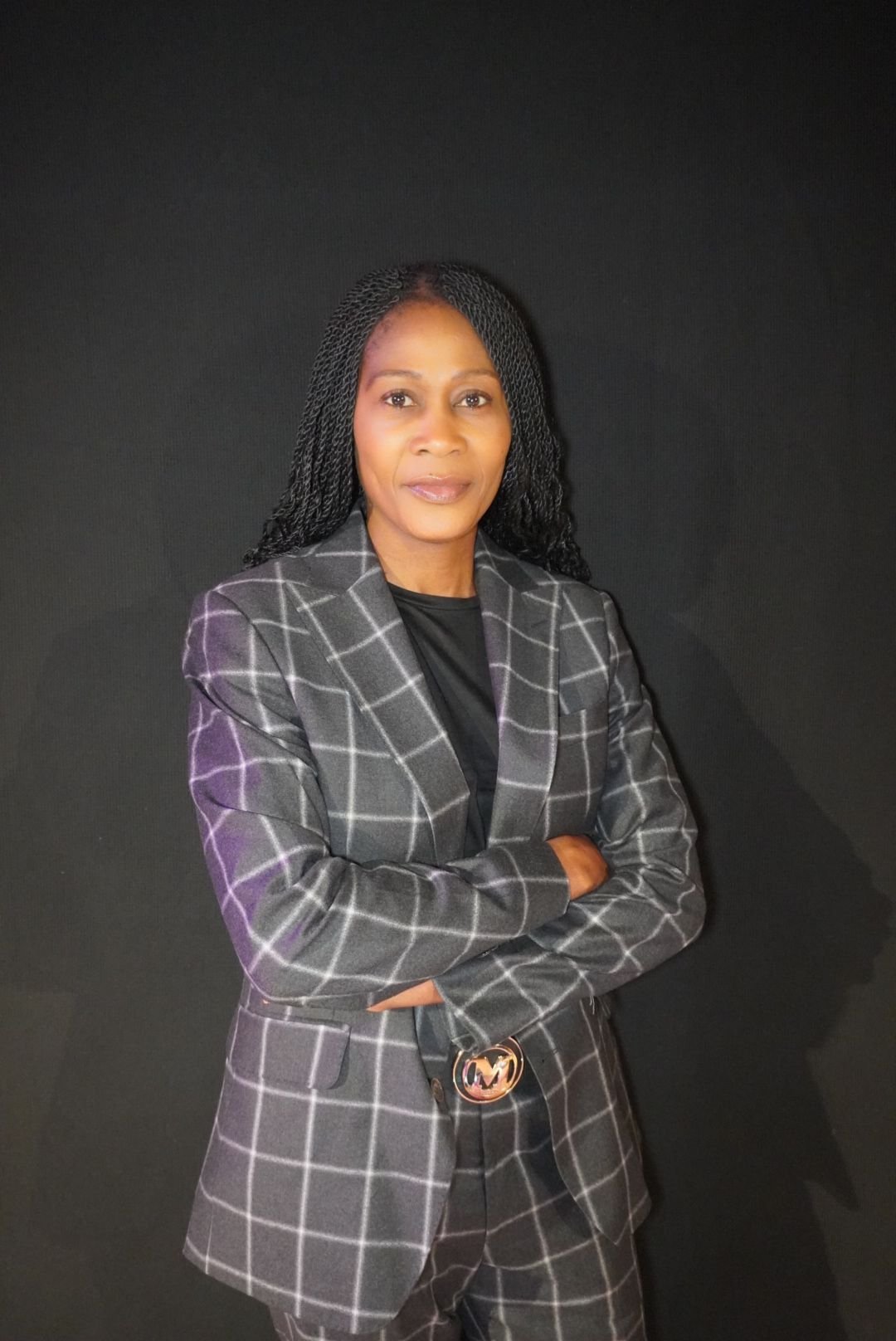
Rissa Seidou: “It is important that children learn about their rights, personal integrity and boundaries from an early age – and how to seek help when something doesn’t feel right.”
Rissa Seidou moved to Sweden from Togo with her family at the age of 20 and has worked as a community police officer in Järva for many years. Alongside her professional role, Rissa has been an active voice in public debates on gang violence and violence against girls, boys, older people and women. She was a popular guest on Sweden’s Sommar i P1 in 2025.
She has also appeared in TV programmes and series such as Poliserna i våldsvågen (TV4), Efterlyst (TV3), Gängkriget(SVT) and Min sanning (SVT).
Her awards include Diversity Hero of the Year 2024, Power Mum of the Year 2025 and Eye-Opener of the Year.
When did you first hear about ChildX, and what sparked your interest in the organisation?
I first heard about the organisation several years ago, when I was invited to take part in a campaign and be a voice for children, helping to raise awareness about prevention.
Which issues related to the sexual exploitation of children are you most passionate about?
The issues I care most about are prevention and amplifying the voices of survivors. I believe it is important for children to learn about their rights, personal integrity and boundaries from an early age, as well as how to seek help if something doesn’t feel right. That is why I see great value in schools and other organisations actively working to prevent sexual exploitation and create safe environments where children feel comfortable speaking up.
I am also passionate about ensuring that people who have survived sexual exploitation have greater influence in efforts to prevent and combat the issue. Their experiences and perspectives need to be taken seriously and included in the development of support services, protection measures and legislation. I believe we can create real change by both preventing children from being exploited and listening to those who have experienced it. Legal reforms are also essential to continuing this work.
Why have you chosen to get involved in the fight against the sexual exploitation and trafficking of children specifically?
For me, this commitment is about standing up for children’s rights, giving a voice to those who are not always heard and working to ensure that more children have the opportunity to grow up in safety.